42 is country of origin required on labels
Country of Origin Marking Requirements | PackagingLaw.com Under the Tariff Act of 1930, every article of foreign origin (or its container) imported into the U.S., unless exempted, must be marked in a manner that will indicate to the ultimate purchaser the article's country of origin. For example, goods originating in China must be marked, "Made in China" or "Product of China." A Brief History and Overview of Country of Origin Labeling Requirements ... Country of Origin Labeling (COOL) laws and regulations require retailers to notify their customers of the country of origin of covered commodities, which include beef, veal, lamb, chicken, fish and shellfish, goat, pork, perishable agricultural commodities, macadamia nuts, pecans, ginseng, and peanuts. One might think that this is a simple matter, but as with most regulatory requirements ...
Product Labeling Regulations in the US, EU and Australia Most products sold in the United States must carry a Country of Origin label. If your products are manufactured in China, you may label your product as "Made in China". The country of origin must be clearly visible to the customer - either on the product itself, its packaging, or both.
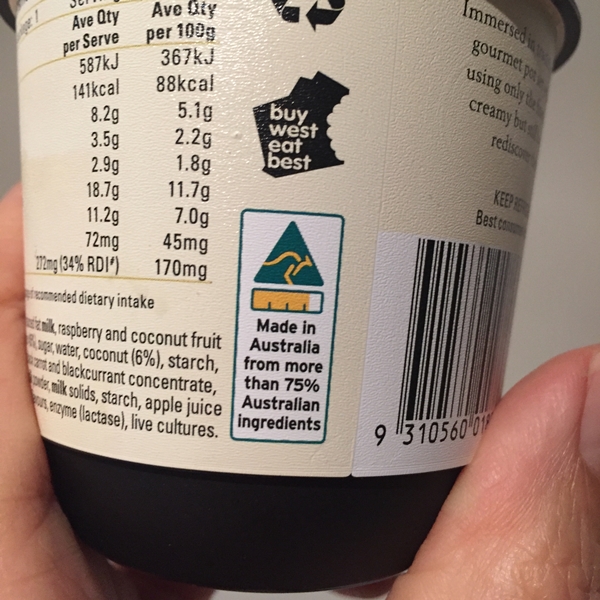
Is country of origin required on labels
Rancher groups want Congress to require Country Of Origin Labeling for beef The "American Beef Labeling Act" would reinstate mandatory country-of-origin labeling requirements for beef and has been introduced in bills in both the House and the Senate. Origin Labeling Requirements for Imported Commodities Passed Tuesday, June 15, 2021 We have previously reported on proposed Senate legislation that would require country of origin labeling (COOL) for imported commodities sold online. On June 8, 2021, the... eCFR :: 16 CFR Part 303 -- Rules and Regulations Under the Textile ... On all other textile products, the required information shall be disclosed on a conspicuous and readily accessible label or labels on the inside or outside of the product. The country of origin disclosure must always appear on the front side of the label. Other required information may appear either on the front side or the reverse side of a ...
Is country of origin required on labels. Marking of Country of Origin on U.S. Imports 12.08.2020 · Watches and clocks are also subject to the normal country of origin marking requirements of 19 U.S.C. 1304, and under these requirements, the movement’s country of origin should appear conspicuously and legibly on the dial face or on the outside of the back. In addition, watchbands should be marked with the country of manufacture of the band, unless the … Which foods are covered in the country of origin labeling law? - USDA Knowledge Article. Foods that must be labeled with their country of origin are: 1. Muscle cuts of beef (including veal), lamb, pork, goat, and chicken; 2. Ground beef, ground lamb, ground pork, ground goat, and ground chicken; 3. Wild and farm-raised fish and shellfish; 4. U.S. Labeling Requirements for Textile and Apparel Products Imported products must be labeled with the country of origin in a permanent manner. See the FTC Made in USA Policy Statement, to claim "Made in the USA". Products made of wool or fur are subject to disclosure under the following, respectively: Wool Products Labeling Act and Fur Products Labeling Act Export Requirements by Country and Jurisdiction (A-F) - NOAA Registration of labels may be required prior to exportation to Costa Rica. Tolerances and Guidelines - None specified. Cuba. Acts and Regulations. Labeling & Marking Standards: Name of the country of origin, names and addresses of the manufacturer or exporter, and the Cuban importer must be shown on the package.
Garment Labelling Requirements for Clothing (Full Guide) 13.01.2019 · These labels must remain attached to the garment until it reaches the consumer, which means that this FTC-required information cannot be included on hang tags. If a garment has a neck, country of origin information must be located on the inside center of the neck, and other labels must be placed in easily noticed locations. Country of origin labelling online tool | business.gov.au The tool only generates standard mark labels. It doesn't generate country of origin statements (without the outline box) but it does show you how to create your own origin statement. If the tool recommends no label, it means the food product does not require a standard mark or a country of origin statement. Prepare to use the online tool eCFR :: 19 CFR Part 134 -- Country of Origin Marking § 134.0 Scope. This part sets forth regulations implementing the country of origin marking requirements and exceptions of section 304 of the Tariff Act of 1930, as amended (19 U.S.C. 1304), together with certain marking provisions of the Harmonized Tariff Schedule of the United States (19 U.S.C. 1202).The consequences and procedures to be followed when articles are … Country of Origin Labeling (COOL) | Agricultural Marketing Service Country of Origin Labeling (COOL) is a labeling law that requires retailers, such as full-line grocery stores, supermarkets and club warehouse stores, to notify their customers with information regarding the source of certain foods.
Country of Origin Requirements in the United States: An Overview 06.09.2022 · Country of origin labeling is mandatory for all consumer products imported and sold in the United States. Country of origin labeling is often as straightforward as printing a ‘Made in [INSERT COUNTRY]’ on the product and its packaging. That being said, there are exemptions for some products, and it’s sometimes not that simple to determine ... Mandatory country-of-origin labeling (US) - Wikipedia Country of origin labeling (COOL) (or mCOOL [ m for mandatory]) is a requirement signed into American law under Title X of the Farm Security and Rural Investment Act of 2002 (also known as the 2002 Farm Bill), codified at 7 U.S.C. § 1638a as Notice of country of origin. Country of origin food labelling | business.gov.au Most food products for retail sale in Australia require a country of origin label. This page helps you identify the regulation you need to comply with and the label that applies to your food product. On this page Imported foods Country of origin food labelling can let consumers know which country a product came from. PDF Country of Origin Labelling Requirements - Comparative Research and ... • different and multiple requirements for an indication of origin: - commercial invoice (and further supportive documentation) - customs import declaration (and further import documents like permits) - certificate of (non-preferential) origin (coo) - proof of preferential origin - origin labelling (and marking) - voluntary labelling as a free …
10 things that MUST be on a food label - Catherine Saxelby's ...
Country of Origin Labeling (COOL) Frequently Asked Questions Country of Origin Labeling (COOL) is a consumer labeling law that requires retailers (most grocery stores and supermarkets) to identify the country of origin on certain foods referred to as “covered commodities”. The 2002 and 2008 Farm Bills and the 2016 Consolidated Appropriations Act amended the Agricultural Marketing Act of 1946 to require retailers to notify their …

Congress Wants to Eliminate Country-of-Origin Labels for Meat
What Is Country of Origin Labeling? An Overview - Shipping Solutions According to U.S. Customs and Border Protection (CBP), every article of foreign origin entering the U.S. must be legibly marked with the English name of the country of origin, unless an exception from marking is provided in the law. The country of origin is defined as the country of manufacture, production or growth of an article.
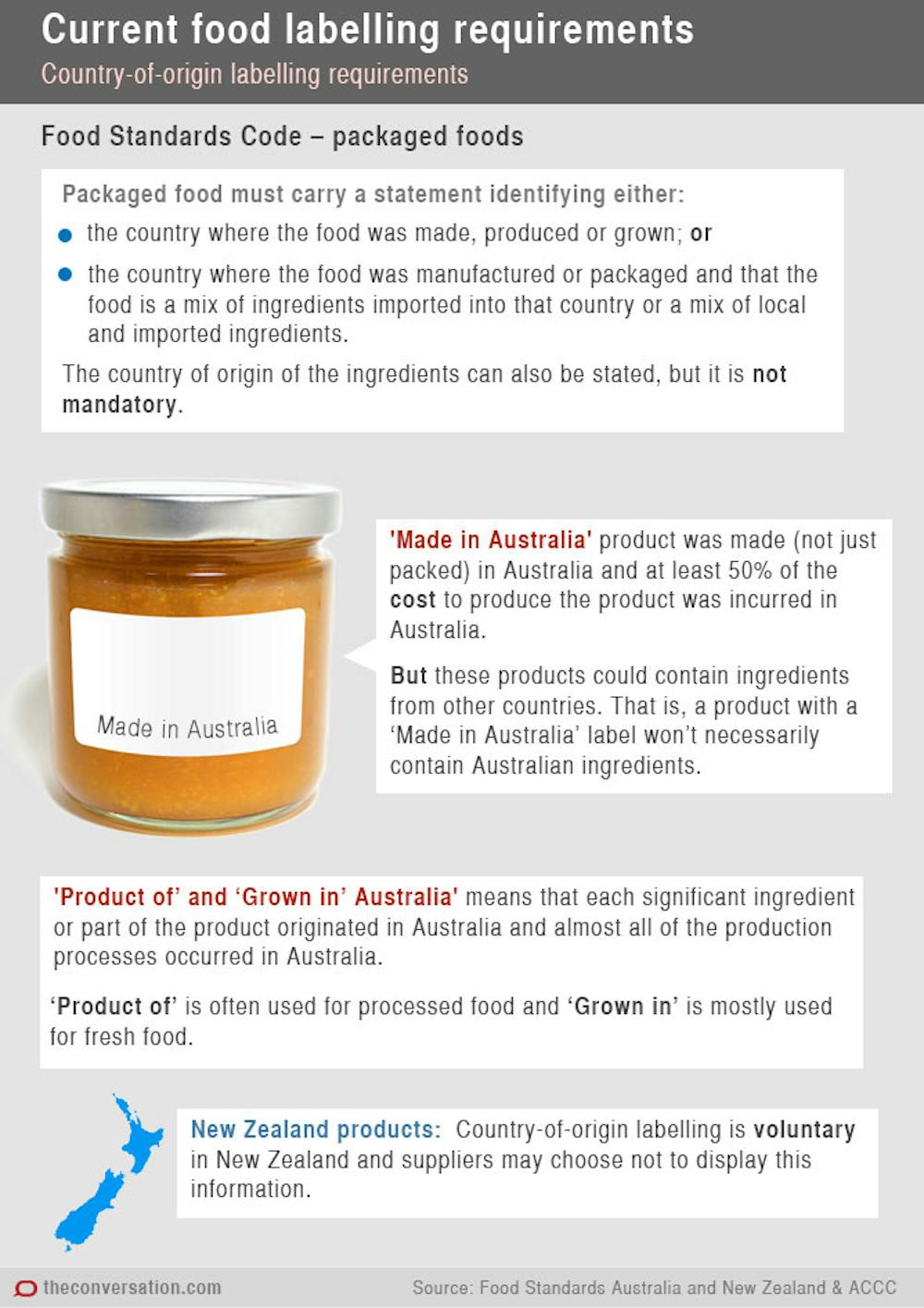
For safety's sake, make food labels say what companies ...
Country of Origin Labeling of Agricultural Products Items that are imported in consumer-ready packages also are required to be labeled with country of origin information. Country of Origin Labeling Qualifications. To be considered a product of the United States, beef (including veal), pork, lamb, chicken, and goat must be derived from animals that meet these criteria:

Made in Taiwan - Oil-Proof Country of Origin Labels - 1" x 1 ...
Country of Origin: Labeling, Marking and Declaring U.S. Imports As we shall see below, determination of country of origin can be geared towards (1) marking and (2) declaration purposes. It is possible to be legally required to mark a product as "Made in Country A," while declaring to Customs that the product is of country's B origin in order to take advantage of the preferential trade agreement.
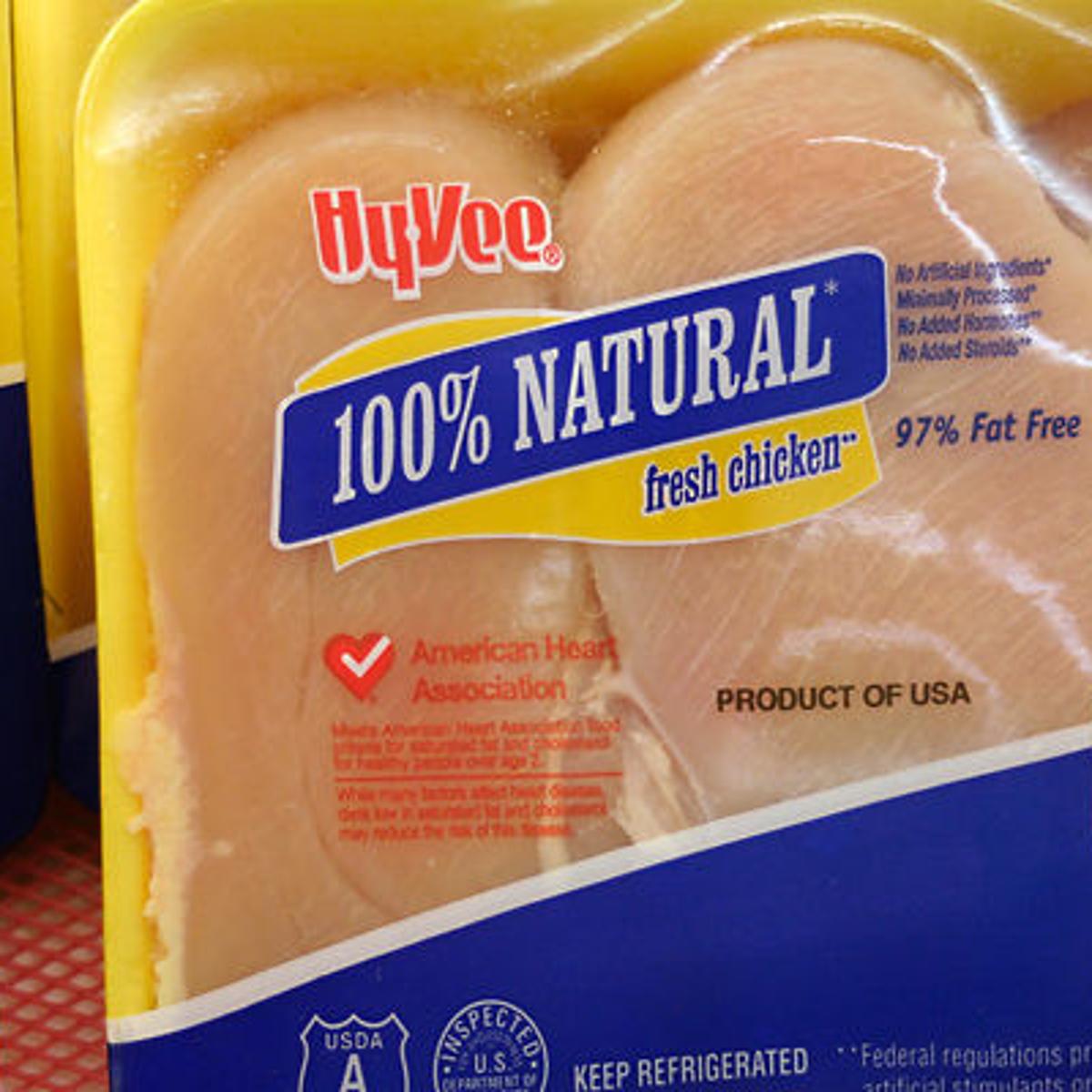
Country of Origin labels hit the produce aisle and meat ...
CPG Sec 560.200 Country of Origin Labeling | FDA CPG Sec 560.200 Country of Origin Labeling November 2005. CPG Sec 560.200 Country of Origin Labeling. Food labeling statements regarding geographical origin must not be false or misleading in any ...
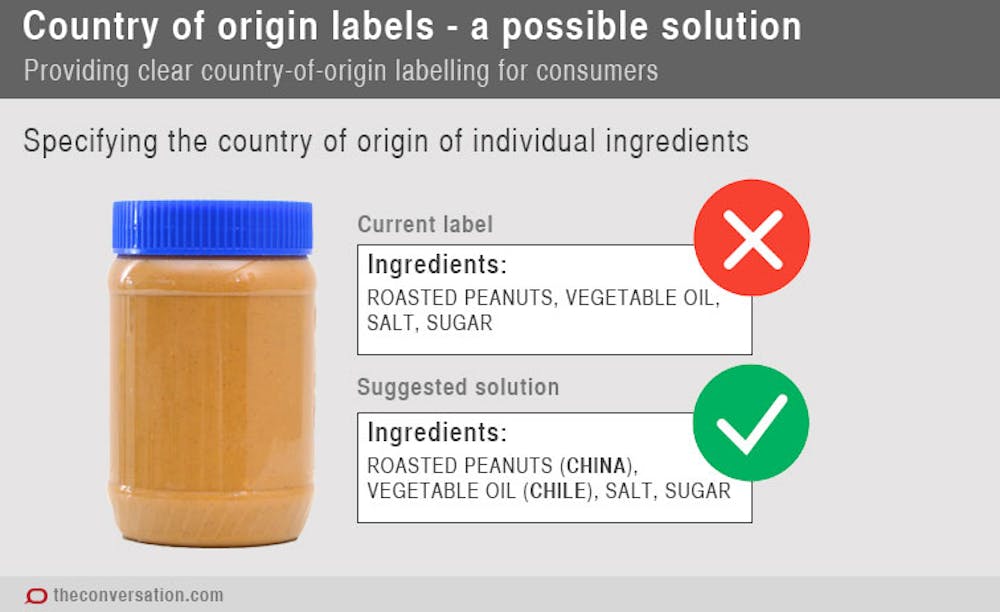
Government's proposed country-of-origin labels leave you to ...
CPG Sec. 560.200 Country of Origin Labeling - Food and Drug Administration CPG Sec. 560.200 Country of Origin Labeling BACKGROUND: A statement of the country of origin on the labeling of imported foods is not required by the Federal Food, Drug, & Cosmetic Act. This is a...

Blogthe Usda Investigates Confusion Around Product Of Usa ...
Country of Origin Marking - U.S. Customs and Border Protection Goods may be marked with the country of origin in English, Spanish or French, except that Canada, Mexico and the United States may, as part of their general consumer information measures, require that an imported good be marked with its country of origin in the same manner as prescribed for domestic goods.
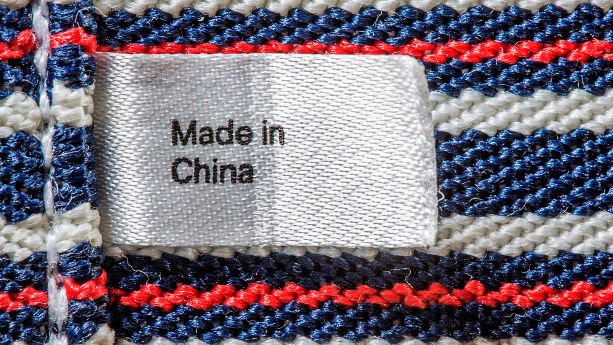
Country of Origin Requirements in the United States: An Overview
Switzerland - Labeling and Marking Requirements Switzerland has stringent labeling requirements for food, including ingredients and health information, but also country of production and origin of ingredients. Full information can be found on the Federal Food Safety and Veterinary Office website. All foods and additives including genetically modified organisms (GMOs) must be labeled as such.
Country of Origin Labeling and the specious logic of the NCBA ...
Food labelling and packaging: Food labelling - GOV.UK Food from and sold in Great Britain can be labelled as ‘origin EU’ until 30 September 2022. Check the rules for when to label meat, fish and shellfish with their country of origin .

Country of origin labels coming to the grocery store | MPR News
Q&A: Country of Origin Labeling - Chuck Grassley The Country of Origin Labeling Act (COOL) of 2002 required the USDA's Agricultural Marketing Service to implement new food labeling requirements for retail-ready commodities that would allow consumers to know where their food comes from and give producers an opportunity to promote food made here in the U.S.A.

Origin Labeling Requirements for Imported Commodities Passed
Country of Origin Food Labelling Information Standard 2016 These categories align with the categories of food required to be labelled with a country of origin under the Australia New Zealand Food Standards Code (Food Standards Code) at the time the information standard commenced. This means there has been no change to the range of foods that must be labelled with a country of origin. Particular foods or classes of foods are defined …
Country of Origin Food Labeling | Jenn David Design
Compliance FAQs: Packaging and Labeling in the US | NIST title 19, united states code, chapter 4, section 1304 and 19 cfr 134, country of origin marking regulations require that every article of foreign origin (or its container) imported into the u.s. be marked in a conspicuous place as legibly, indelibly, and permanently as the nature of the article (or container) will permit, and in such a manner as …

Food products: new Country of Origin requirements announced ...
Country of origin | ACCC - Australian Competition and Consumer … Country of origin food labels. Most of the foods you buy need to display country of origin labels. Look out for these labels on food packages or in-store signage. Different labelling requirements apply depending on: whether the food is grown, produced, made or packed in Australia or another country; whether the food is a ‘priority’ or ‘non-priority’ food ; how the food is displayed for ...

WTO Ruling on U.S. Country-of-Origin Labeling for Meat ...
Threading Your Way Through the Labeling Requirements Under the Textile ... The Rules require labels to disclose the country where the product was processed or manufactured. The FTC amended sections 303.33 (d) and (f) and 300.25 (d) and (f) to clarify that the country where an imported product is processed or manufactured is the country of origin as determined under the laws and regulations enforced by Customs. E-commerce.

Product Labeling Regulations in the US, EU and Australia
EU - Labeling/Marking Requirements - International Trade Administration Effective July 16, 2021, the EU required all CE marked products to have a label that identified a point of contact within the region. This requirement applies to products sold online and through traditional distribution channels.
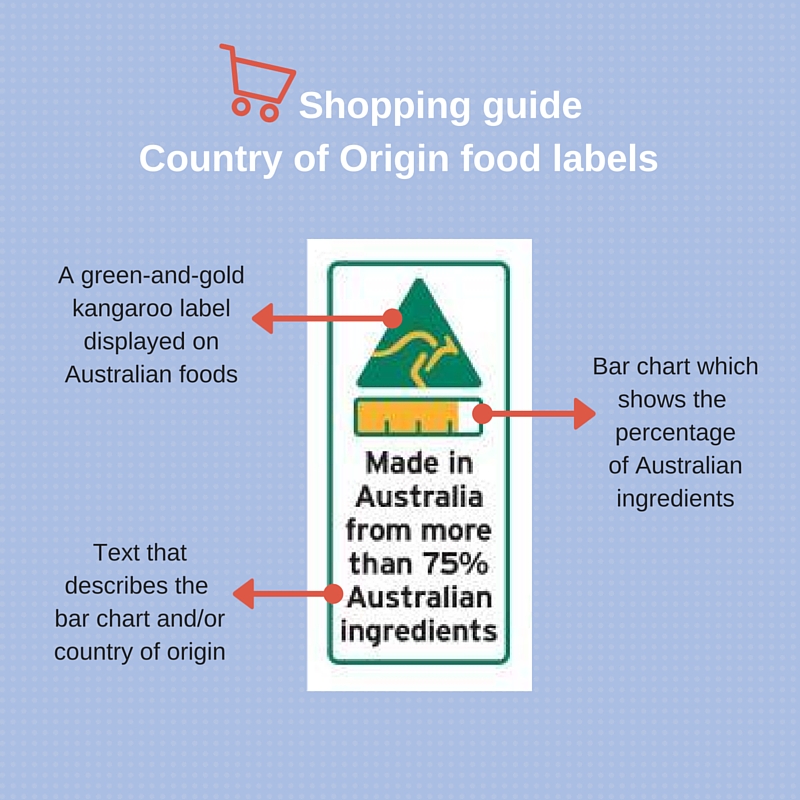
Country of Origin' food labelling - Healthy Kids
eCFR :: 16 CFR Part 303 -- Rules and Regulations Under the Textile ... On all other textile products, the required information shall be disclosed on a conspicuous and readily accessible label or labels on the inside or outside of the product. The country of origin disclosure must always appear on the front side of the label. Other required information may appear either on the front side or the reverse side of a ...
Country of Origin Labelling Requirements – Comparative ...
Origin Labeling Requirements for Imported Commodities Passed Tuesday, June 15, 2021 We have previously reported on proposed Senate legislation that would require country of origin labeling (COOL) for imported commodities sold online. On June 8, 2021, the...
Country of Origin labels for cassettes, CDs, vinyl, and print ...
Rancher groups want Congress to require Country Of Origin Labeling for beef The "American Beef Labeling Act" would reinstate mandatory country-of-origin labeling requirements for beef and has been introduced in bills in both the House and the Senate.

Country of Origin Requirements in the United States: An Overview
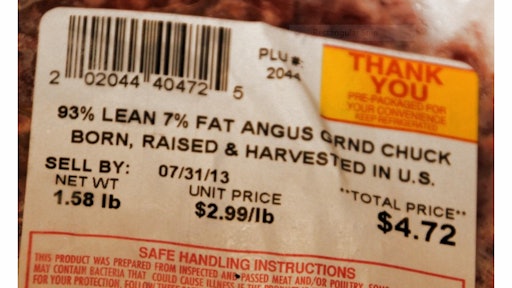
WTO Rejects U.S. Appeal Of Country Of Origin Label Rule On ...

Green party wants mandatory country of origin labelling
The case for country of origin labelling: Food quality ...

Made in Poland - Oil-Proof Country of Origin Labels - 1" x 1 ...
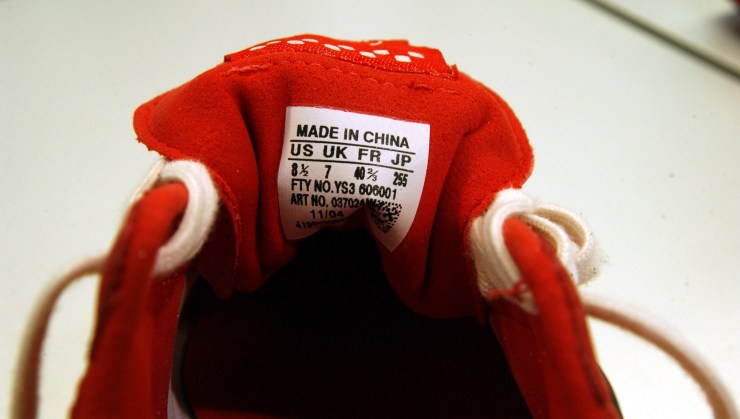
The long, tangled story behind country-of-origin labels ...

Senators resurrect country of origin labeling for beef | Beef ...
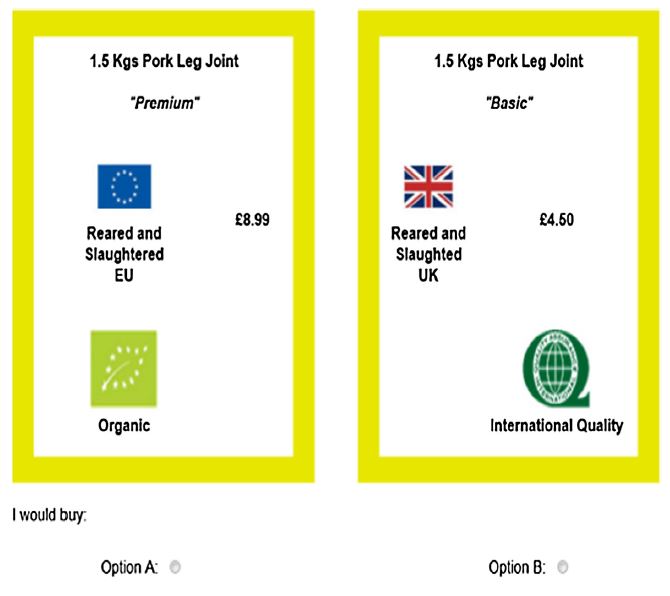
Consumers value origin labelling - but not necessarily for ...
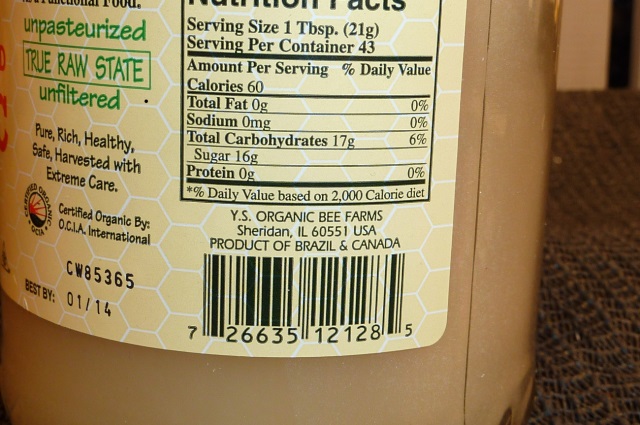
CATCH THE BUZZ – All Honey Imports Must Include Country of ...

Label Wars
Country of Origin Food Labelling - how it affects you - Emrich

Country of origin - Wikipedia
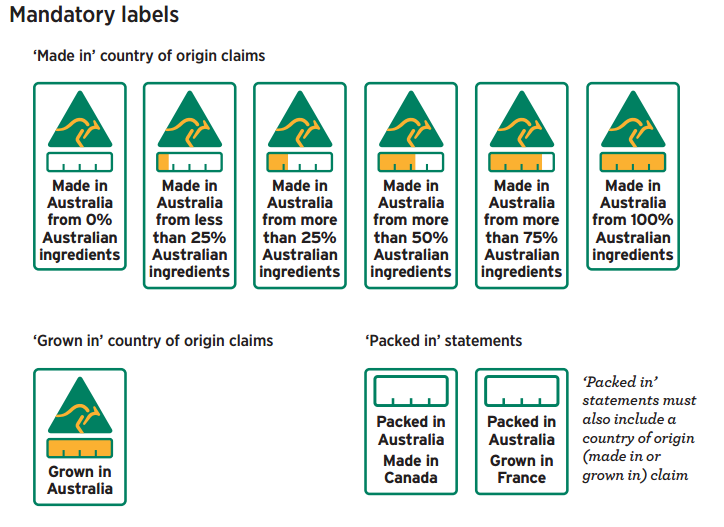
Australian government releases new country-of-origin labels ...

Meat Labeling in 2008? - foodmuseumblog

Country of Origin Labels for E-Commerce Are Just Business as ...
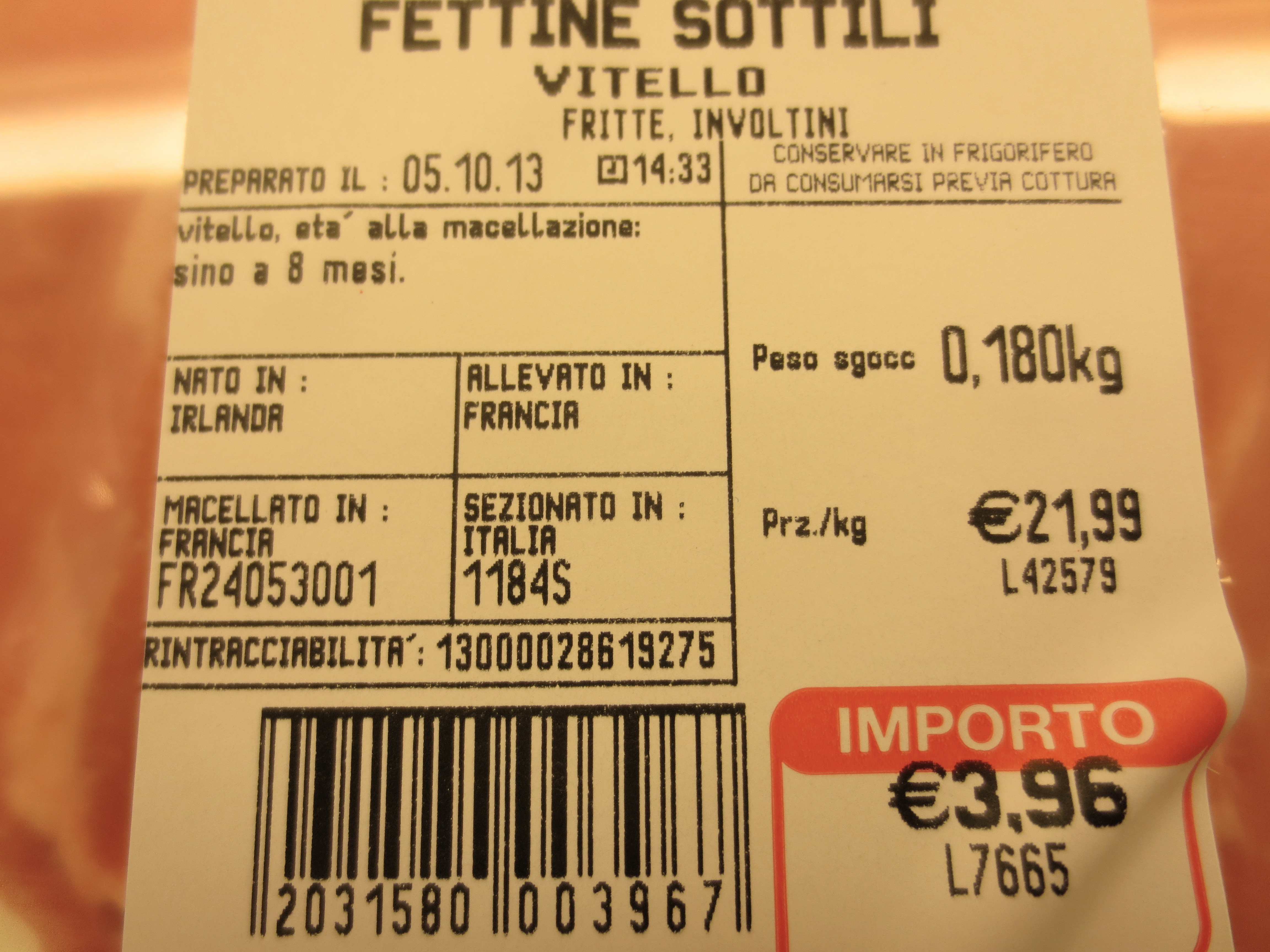
Country of Origin Labeling in Europe - Meat Science
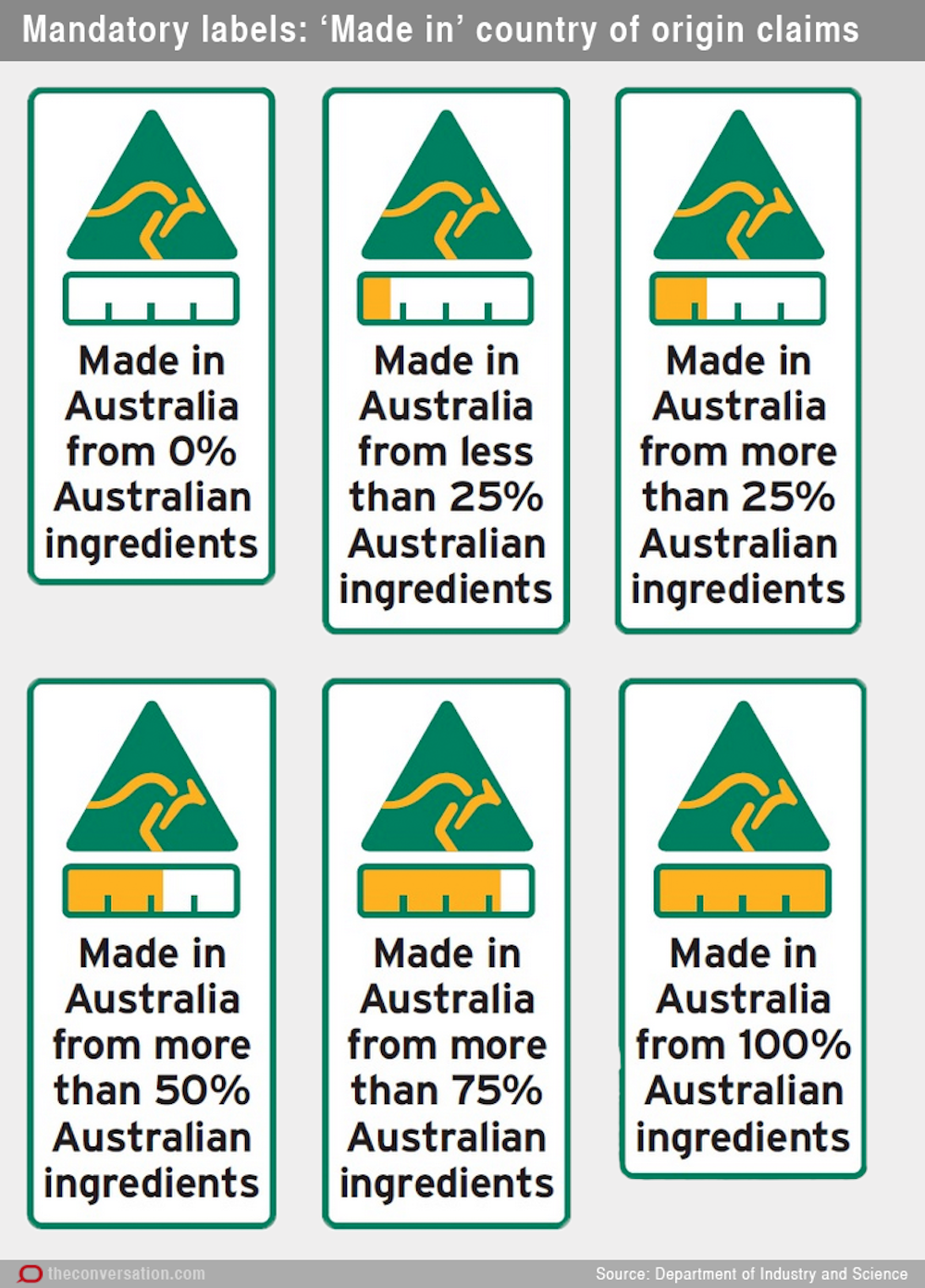
Government's proposed country-of-origin labels leave you to ...
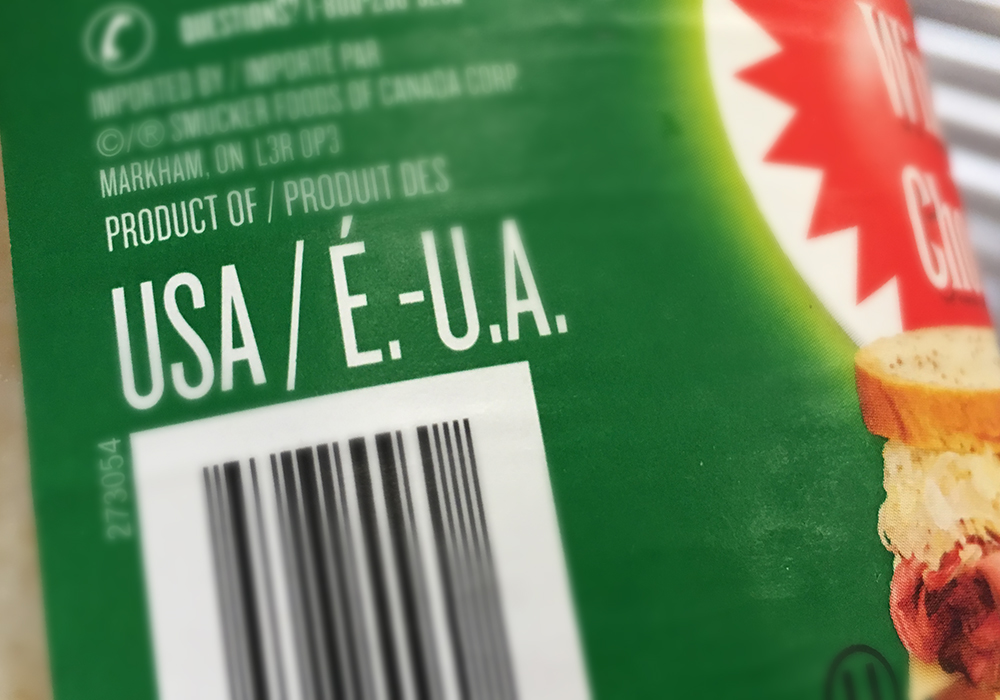
Canada proposes its own COOL regulations | The Western Producer

Australia to Introduce Country-of-Origin Labeling | News

Country of origin food labelling | ACCC
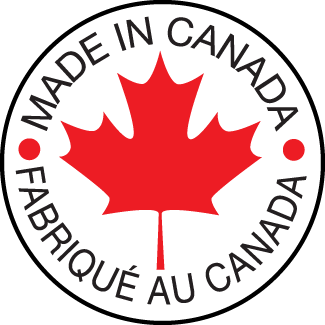
Country of Origin Labels - ICC Compliance Center Inc - Canada
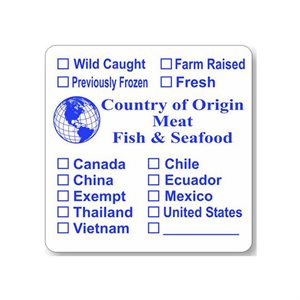
Country of Origin Labels | Supermarket Labels | 1-800-882-5104
Country of Origin Labelling (CoOL)

Country of origin food labelling to be voluntary, but not ...
Post a Comment for "42 is country of origin required on labels"