38 are labels required for non gmo products
GMO Labeling | Science of GMOs Non-GMO Project Verified products must meet a threshold of no more than about 0.9 percent GE content, by weight, which is similar to the EU’s threshold for mandatory labeling of processed foods made with GE ingredients. To verify that non-GE ingredients are used, traceability and segregation of inputs are also required. New USDA guidance requires foods with GMO ingredients be labeled ... Foods that had been labeled as containing "genetically modified organisms (GMOs)" will now be known as "bioengineered," or having been "derived from bioengineering," under standards set by the...
Labeling Foods With and Without GMOs, or Bioengineered ... - OnlineLabels A GMO labeling law was passed by Congress in July of 2016, laying out a new national mandatory standard. ... cases, genetically engineered foods don't taste, smell, or feel different, and are therefore not subject to additional label requirements. ... Should you choose to voluntarily label your non-bioengineered products, the FDA recommends the ...

Are labels required for non gmo products
How GMOs Are Regulated in the United States | FDA The Standard establishes requirements for labeling foods that humans eat that are or may be bioengineered and defines bioengineered foods as those that contain detectable genetic material that has... Tofurky: plant-based proteins, more than 35 non-gmo products Tasty plant-based proteins made for more than 35 years. Find A Store. Vegan Deli Slices, Beef, Chorizo, Chicken, Tempeh, Sausages, Hot Dogs, Burger & Pockets. Labeling GM Foods | ISAAA.org The new EU labeling regulation requires that any food containing GM ingredient or derivative in the amount more than 0.9% will have to be labeled. GM animal feed will also have to be labeled but products of animals fed GM feed, like milk, meat, and eggs, are not required to be labeled. Since 1997, EC regulation on labeling requires that ...
Are labels required for non gmo products. Study suggests new US GMO labeling law likely to have little effect on ... It became the 65 th nation in the world to adopt such requirements. ... An increase in adoption of products with voluntary non-GMO labels was also recorded during the period, despite the absence of mandatory GMO labeling. The authors infer that about one-third of new non-GMO product adoption is due to publicity around labeling. GMO Foods Should be Labeled, But Not for Safety: Bioethicist - NBC News The fight over labeling is not confined to those who are selling GMO or non-GMO products. Vermont passed a law last year requiring labeling of genetically modified food. Maine and Connecticut have... USDA releases final GMO labeling rules - Alliance for Science The US Department of Agriculture has announced its final rule for labeling products made with genetically engineered (GMO) ingredients, which will now be called "bioengineered." In a win for farmers, the new rule states that no disclosure is required on refined foods such as vegetable oils and sugar if the modified genetic material is undetectable. Understanding Non-GMO labeling - Kabrita USA All foods manufactured in the EU must be labeled GMO if they contain more than 0.9% GMO ingredients, based on each individual ingredient. In other words, products with fewer than 0.9% GMO ingredients may be labeled 'Non-GMO'. In the US one of the largest third-party verification certifiers, The Non-GMO Project, uses the same criteria.
GMO Foods Will Be Labeled 'Bioengineered' - Verywell Health 07/01/2022 · As of January 1, 2022, producers are required to comply with the new labeling guidelines. ... Some consumers choose to avoid GMO products and the new labels are another tool they can use when deciding which groceries to purchase. ... not the products. Consumers who already avoid GMOs have likely been look for organic or non-GMO labels already ... The Truth Behind GMO Labeling | GMO Answers The non-GMO label means a food product contains fewer than 1% of genetically modified ingredients. Because of this, food labeled non-GMO is not legally considered GMO-free. GMOs (genetically modified organisms) are crops that have been created to produce more desirable traits. Non-GMO labels can differ in other countries. Non-GMO labels are on the rise in Europe - but why? - FoodNavigator Non-GMO labels are on the rise in European countries - but unlike the US, EU legislation requires all food containing above trace levels of GM to be labelled. ... In Germany, consumer concern over genetically modified foods [is] forcing the meat, dairy and egg industries to offer products derived from non-GMO feed," she said. Gentle Non-GMO Powder Infant Formula - up & up™ - Target Read reviews and buy Gentle Non-GMO Powder Infant Formula - 33.2oz - up & up™ at Target. ... If you have specific healthcare concerns or questions about the products displayed, please contact your licensed healthcare professional for advice or answers. ... days of the date it was shipped, delivered by a Shipt shopper, or made ready for pickup ...
Verified Products - The Non-GMO Project The products listed below have been evaluated by a third-party technical administrator and meet the Non-GMO Project's Standard for GMO avoidance. In some cases, products from unverified lots may remain in commercial circulation after verification has been achieved or reinstated. Please look for the Non-GMO Project seal on packaging to ensure that the product you GMO Labeling Laws per Country - Global Food Safety Resource Due to the lack of concrete evidence proving that genetically modified foods are indeed detrimental to health, many countries do not have mandatory GMO labeling laws in place. GMO Labeling Laws If you look at the table below, only three countries implement a complete and total ban of genetically engineered (GE) food both imported and cultivated. What Does the Non-GMO Label Mean? - Safer® Brand There is no federal agency to enforce Non-GMO labels. There is the Non-GMO Project, which is an independent organization that awards its labels to those that meet its standards. BANS GMOs? - Both the USDA's organic-certified products and those carrying the Non-GMO Project label do not permit GMOs to be in any part of the product. Non-GMO Production in Europe - ENGA Any non-GMO labelling must comply with strict requirements. The entire food and feed production process is checked to ensure the absence of GMOs - from seed to cultivation on the fields to processing and all the way to packaging, including the correct use of the non-GMO label.
Pappy's Buffalo Wing Sauce
Preparing for GMO labeling in 2022 - Food Business News Manufacturers will be required to label products containing GMOs by 2022. ... the European Union uses a 0.9% threshold for most foods. The Non-GMO Project has the same 0.9% maximum to obtain ...
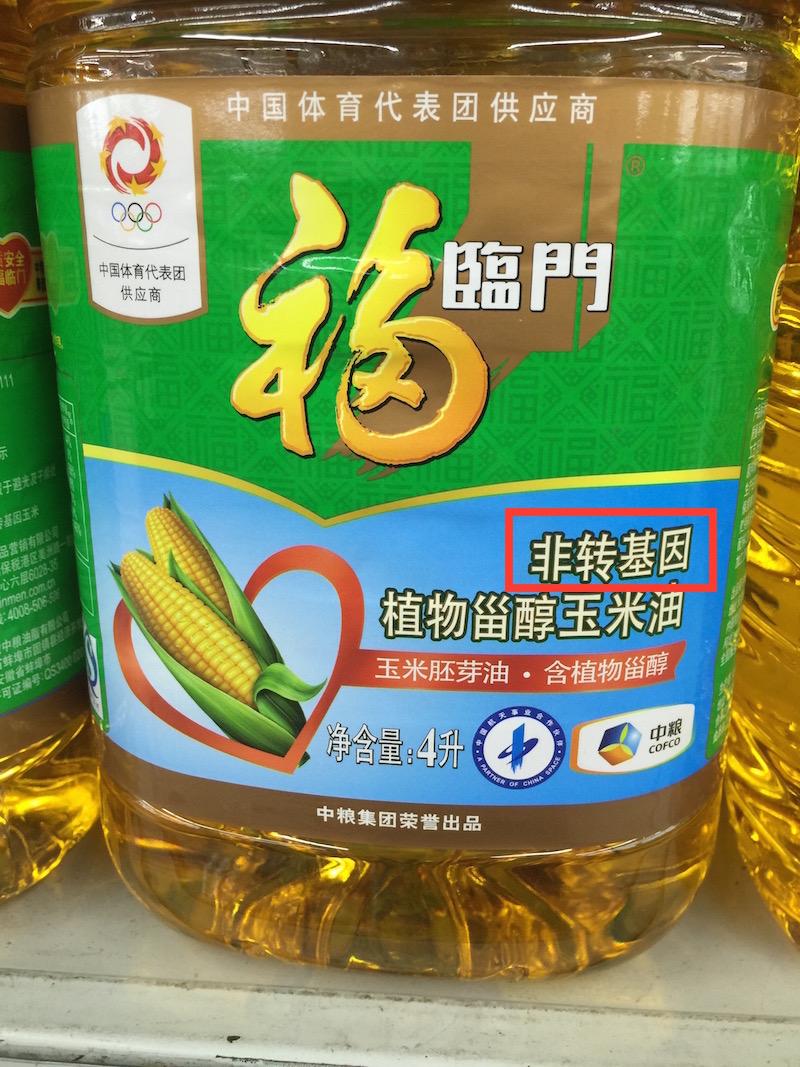
Labeling Genetically Modified Foods China - Shanghai Health and Safety
BE Disclosure vs. Non-GMO Labeling | ESHA Research Non-GMO labeling, on the other hand, is neither required by law nor regulated by the FDA, except that the claim must not be deceptive. It is a voluntary declaration adopted by some companies for marketing and education purposes only. What does this have to do with the USDA Organic Standards?
Reaper Hot Sauce
Guidance for Industry: Voluntary Labeling Indicating Whether Foods Have ... FDA is providing this guidance to assist food and feed manufacturers that wish to voluntarily label their plant-derived food products or ingredients (for humans or for animals) as having been made...
Valentina Hot Sauce
GMO labeling laws 2022 — Body By Amanda It has always been clear in the past and easy to pick out foods that didn't contain GMO's, until January 1, 2022. As of recently the FDA decided to change the labeling to "get rid of the confusion of different labels for foods and ingredients that have been scientifically tampered with, according to the U.S. Department of Agriculture".

GMO labeling is NOT impossible, pictures of major US products already labeled for sale in the UK ...
New Allowances for Including a "Non-GMO" Statement on ... - USDA Organic meat and poultry producers can now use a streamlined process to get approval for labels verifying that their products do not include genetically engineered (GE) ingredients. These products may also now use a "Non-GMO" label claim. Because of this, we're updating a previous blog from our "Organic 101" series. In 2014, USDA's Food Safety and Inspection Service (FSIS ...

36 Usda Non Gmo Label - Labels Design Ideas 2021
Enfamil NeuroPro Non-GMO Powder Infant Formula - 28.3oz Read reviews and buy Enfamil NeuroPro Non-GMO Powder Infant Formula - 28.3oz at Target. ... If you have specific healthcare concerns or questions about the products displayed, please contact your licensed healthcare professional for advice or answers. ... days of the date it was shipped, delivered by a Shipt shopper, or made ready for pickup ...

Why we need mandatory labeling of GMO products - STAT
Non-GMO - Consumer Reports A generic non-GMO claim isn't reliable because there are no consistent, clear, enforceable rules for using it, and there is no consistency in how the claim is verified. Learn How We Rate Food-Label...

Washington GMO Labeling Initiative Concedes | The Alliance for Natural Health USA | Gmo labeling ...
What Does Non-GMO on a Food Label Mean? - Canadian Food Focus Consumers view these labels as a way to avoid foods that contain GMO ingredients, which they presumably want to avoid. The reality is however, these labels are frequently placed on products that do not even have a competing product made with GMO ingredients. As an example, there are several brands of pasta using the Non-GMO Verified label ...

A Principled Case Against Mandatory GMO Labels – Food and Farm Discussion Lab
PDF Non-GMO Requirements under the National Organic Program Organic ... - OTA choose to make additional non-GMO claims. • The phrase "non-GMO," when used on NOP-certified product labels, is understood to mean that the product was produced without the use of genetic engineering. This is consistent with the organic regulations. • "Non-GMO" is an accurate statement because it declares a product is produced ...

How To Avoid GMOs for Non-GMO Month | Only Organic
Verification FAQs - The Non-GMO Project Non-GMO Project Verified is the fastest growing label in the natural products industry, representing over $26 billion in annual sales and more than 50,000 Verified products for over 3,000 brands. Non-GMO products are in demand and the Non-GMO Project Verified seal is the most trusted non-GMO label among consumers.

Valentina Hot Sauce
Genetically modified (GM) food labelling - Food Standards Labelling is also required for GM foods that have an altered characteristic (e.g. altered nutritional profile) when compared to a counterpart non-GM food (e.g. soy beans with increased oleic acid content). These GM foods are listed in subsection S26—3 (2) of Schedule 26 of the Food Standards Code and must be labelled with the words ...

Valentina Extra Hot Sauce
Everything you need to know about GMO labeling in 2020 The law requires labeling only on bioengineered foods intended for human consumption that contain more than five percent GMO ingredients. Instances where GMOs do not have to be labeled include: Foods derived from animals, such as eggs, meat and milk Refined ingredients like oils and sugars Food served in a restaurant

GMO Labeling Requirements | Natural Products INSIDER
What Does Non-GMO Mean? | GMO Answers Some companies may use their own labels, calling an item non-GMO, without verification from an independent organization. The important thing to know is that Non-GMO does not mean 100% GMO-free . Labeling standards are incredibly complex and vary from organization to organization, but most non-GMO certifying organizations consider products that ...
Magma Hot Sauce, An Eruption Of Disastrous Proportions
Organic 101: Can GMOs Be Used in Organic Products? | USDA 21/02/2017 · This is the thirteenth installment of the Organic 101 series that explores different aspects of the USDA organic regulations. The use of genetic engineering, or genetically modified organisms (GMOs), is prohibited in organic products. This means an organic farmer can’t plant GMO seeds, an organic cow can’t eat GMO alfalfa or corn, and an organic soup producer can’t …

What do you think all of these want to hide? | Gmo labeling, Monsanto, Gmo foods
Why is organic food more expensive than conventional food? In developed countries, non-certified organic food is often sold directly to consumers through local community support programmes such as box schemes, farmers markets and at the farm gate. These allow the producer to know exactly what the consumer wants, while the consumer knows where the produce comes from and in the case of box schemes, saves ...
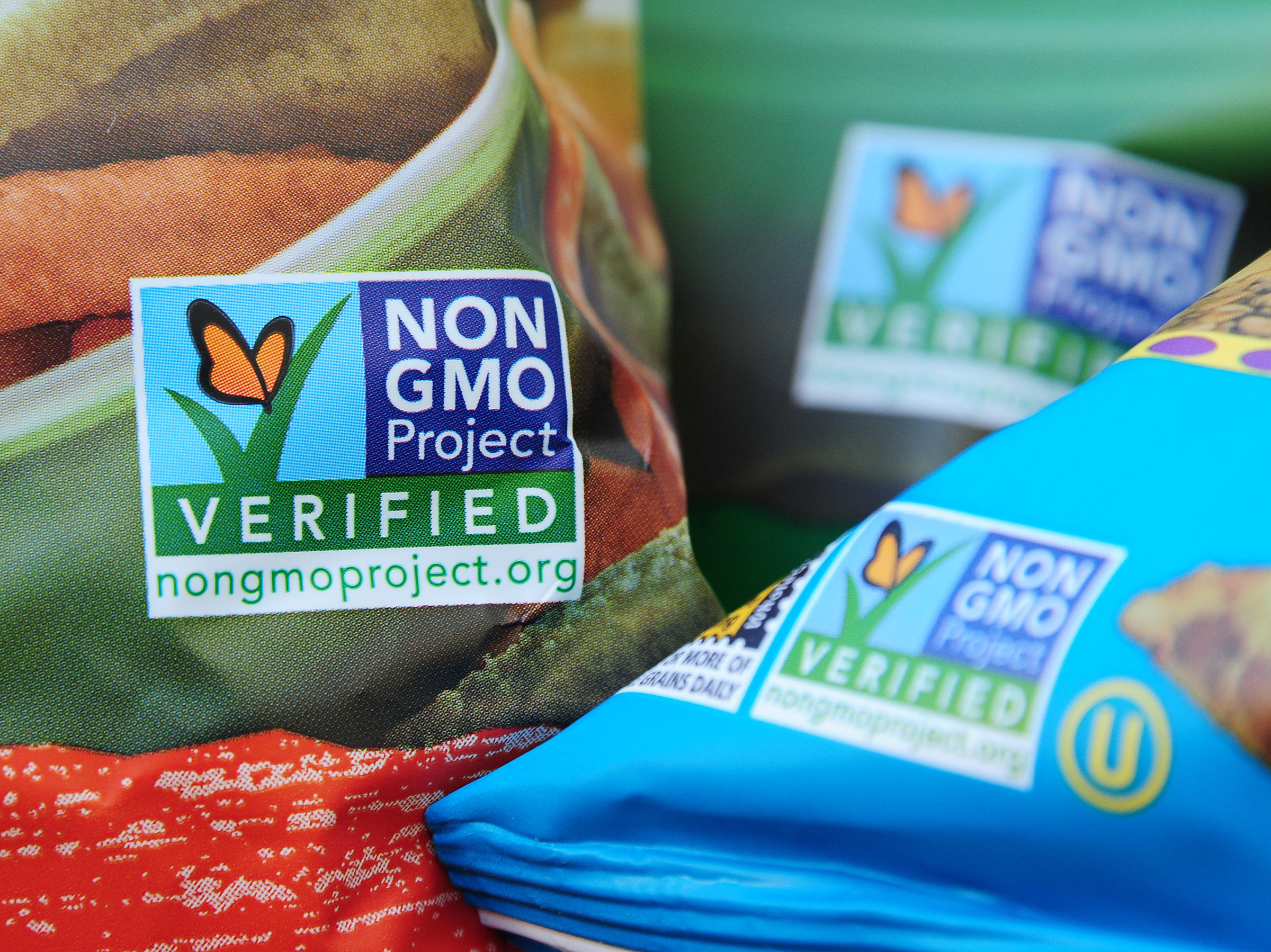
How Your Food Gets The 'Non-GMO' Label | KNAU Arizona Public Radio
What is a GMO? - The Non-GMO Project A GMO, or genetically modified organism, is a plant, animal, microorganism or other organism whose genetic makeup has been modified in a laboratory using genetic engineering or transgenic technology. This creates combinations of plant, animal, bacterial and virus genes that do not occur in nature or through traditional crossbreeding methods. Genetic modification affects many of

Cafe Tequila Citrus Habanero Hot Sauce
Labeling of genetically modified products - United States Mission to ... Labeling regulations for genetically modified (GM) food products are established by Regulation 1829/2003 (articles 12-13). These rules apply to products that have undergone varying degrees of processing. The regulation does not require labeling of food products that are not food ingredients, such as processing aids.

35 Usda Non Gmo Label - Labels For You
Why is organic food more expensive than conventional food? In developed countries, non-certified organic food is often sold directly to consumers through local community support programmes such as box schemes, farmers markets and at the farm gate. These allow the producer to know exactly what the consumer wants, while the consumer knows where the produce comes from and in the case of box schemes, saves ...
Post a Comment for "38 are labels required for non gmo products"