40 do branded companies like private labels
Top 10 Private Label Cosmetics Companies (& How to Choose One) Some private label cosmetics companies dedicate a portion of their business to helping you develop your brand, so choosing a company that does just that may be the best choice. Finding a private label manufacturer that matches your brand is key. 4. Pick a Platform Who Makes Store-Brand, Private-Label Products for Supermarkets? Kroger is one of the largest grocery chains in the U.S. — and Kroger is actually the parent company to a number of other grocery brands, including Dillons, Fred Meyer, Pick'n Save, Ralphs, and QFC. Article continues below advertisement Kroger has a number of private-label brands that can be seen across its many chain stores.
White Label vs Private Label - THAT! Company White Label Products: White label products are manufactured by a contract or third-party manufacturer and sold under your brand name. As the buyer, you ONLY specify what the label looks like. In this case, the manufacturer is already an expert in manufacturing the product you want, they produce the same product under other brand names, and therefor the manufacturer specifies the what goes in ...
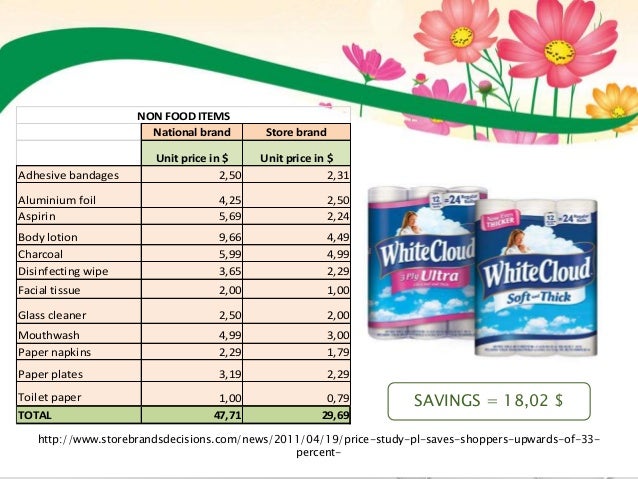
Do branded companies like private labels
The Pros and Cons of Going 'Private Label' vs. Selling Branded Products ... The terms private label and branded products are quite popular in the e-commerce world. Although there are now more private labels on the market than ever before, creating a private label isn't right for every company. At some point, every business owner needs to decide what type of name they want their product (s) or service (s) to carry. 10 Secrets About Store Brands - Forbes If a big brand like Heinz or Hunts decided to sell private label, it will make soup or pasta sauce, not ketchup. Companies want to expand their business, not destroy the existing one. Why Do Leading Brand Manufacturers Supply Private Labels? findings - the model shows that, once the retailer has decided to introduce the private label, and depending on the quality positioning chosen by the retailer, both manufacturers find situations...
Do branded companies like private labels. What Is Private Label?: White Label vs. Private Label - BlueCart White Label vs. Private Label. Note that private labeling is different from white labeling. Private labeling is when a product line is sold exclusively through one retailer, like AmazonBasics. White labeling is the process of selling a generic product to multiple retailers, who brand and price the product for their target market. Growth In Store Brands And Private Label: It's Not About Price But ... With much fanfare Brandless, an e-commerce start up, has arrived offering its private-label CPG products, e.g. beauty, food, household supplies, for a flat $3 each. Its tagline grabs consumers ... What is a Private Label? - BigCommerce A private label product is one that a retailer gets produced by a third-party but sells under its own brand name. The retailer controls everything about the product or products. That includes the specs of the product, how it's packaged, and everything else besides. Private label products are then delivered to the retailer to sell. How National Brands Can Compete with Private Labels - Observa Private labels are trying to combat the innovation of name brands by quickly copying the product. One manufacturer, Treehouse Goods, told Food Industry that they aim to copy innovative new products as soon as they are released. Nonetheless, it takes time for these copycat manufacturers to do the research and development for their version.
How to Find Private Label Products and Start Selling Private labeling is one such business m odel. With private labeling, you work with a third-party manufacturer to create your own custom branded products. Private labeling is great for people and brands that already have established audiences and want to find a way to start generating passive income online via product sales. Trader Joe's Private Label: The Big Food Companies that Make Its Brand ... August 10, 2017 7:56 AM PDT. One of the keys to Trader Joe's success has been in making private label cool. While consumers for years have historically turned their noses up at grocery store ... What is Private Labeling: A Complete Guide - Alibaba Blog Branding through private labeling will help you build trust and popularity as an online retailer. Customers will start to seek out your branded goods and form an attachment to your company. Improve profit margins: By using private labeling, you can often increase your sales and profit. Private label - Wikipedia A private label, also called a private brand or private-label brand, is a brand owned by a company, offered by that company alongside and competing with brands from other businesses. [1] [2] A private-label brand is almost always offered exclusively by the firm that owns it, although in rare instances the brand is licensed to another company. [3]
Private Label Definition - What is Private Label - Shopify A private label product is manufactured by a contract or third-party manufacturer and sold under a retailer's brand name. As the retailer, you specify everything about the product - what goes in it, how it's packaged, what the label looks like - and pay to have it produced and delivered to your store. 29 Private Label Products to Kickstart a $100K+ Brand You need capital to launch a private label business. You have to pay for initial product runs, branding, design, marketing, shipping and customer service. The more units you purchase up front, the better the per-unit cost will be. Advertisement Resourceful entrepreneurs can source private branded product for as low $500. Private Label vs. National Brands - Blacksmith Applications Cadent Consulting suggests that private-label dollar share could reach 25.7% by 2027, growing more than 8 percentage points from where it is today. Private labels made up 16% of the market before the pandemic (up 2 percentage points since 2014), according to IRI. And, since the start of the pandemic in the US, private-label sales grew 29% ... What is Private Labeling? [Definition, Pros, Cons & More] What is Private Labeling? The majority of retailers, online and offline, obtain products from suppliers. Few brands manufacture and sell products directly to consumers. Many companies sell products without their name and branding unless they're using private label products.
Private labels vs National brands
M04 Written Assignment - Do Branded Companies Like Private Labels.docx ... View Homework Help - M04 Written Assignment - Do Branded Companies Like Private Labels.docx from BUSINESS MKTG101-0A at Ivy Tech Community College, Indianapolis. Dareen Haddad Do Branded Companies
Brands vs private labels
The Complete Guide to Amazon's Private Label Brands - Pattern Amazon introduced its first in-house brands— AmazonBasics and Pinzon, which both sell everyday household goods—in 2009. Only in the past few years, however, has the company ramped up its focus on private label creation. In 2017, there were just 30 private label brands in operation on the site compared to more than 100 today.

40 Different Private Label Manufacturers to Try - ivetriedthat My Giant List of Private Label Manufacturers Here are 40 private label manufacturers to get you started: Health Care Products AC Pharm - skincare products (Australia) CBD Hemp - CBD hemp products (Florida, USA) Black Label Beard - men's grooming (USA) Garlabs - hair and skin products (USA)
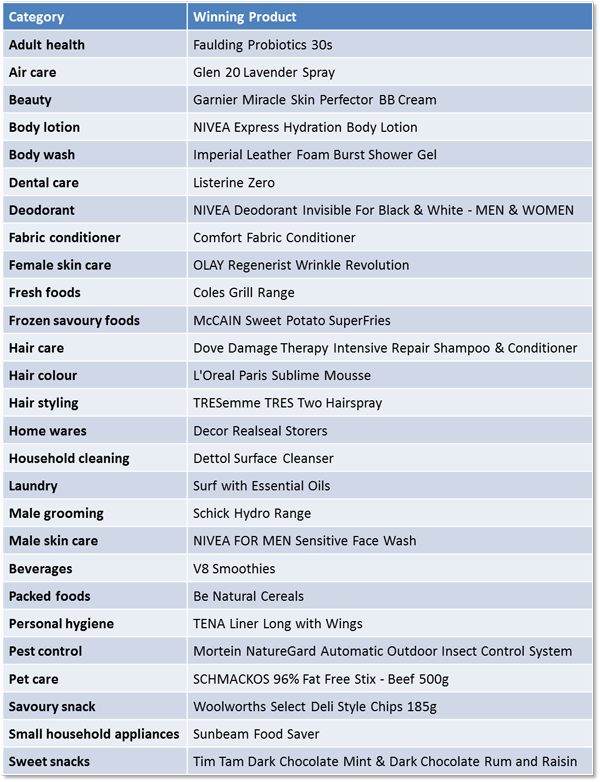
30 Private Label Brands List - Labels Design Ideas 2020
How Should National Brands Think about Private Labels? Private label performance varies widely across product categories and items. 3 For example, 65 percent of dollar sales in frozen green and wax beans accrues to the private label, whereas, in deodorants, private labels have only a 1.1 percent market share. Historically, private labels have had a greater presence in the frozen and refrigerated ...

emami: Private labels owned by retailers such as Bharti Retail, Future Group outsell national ...
Private Brand Definition - Investopedia A private brand is a good that is manufactured for and sold under the name of a specific retailer, competing with brand-name products. Also referred to as "private label" or " store brand ," prices...

Private label brands - Economics Help For private label brands, if they give very similar packing impression as better known brands, they can increase sales. Using very similar packaging is known as 'copy-cating' or mimicking. It is illegal to copy brand packaging - so private label brands have to be careful to be sufficiently differentiated and not mislead consumers.
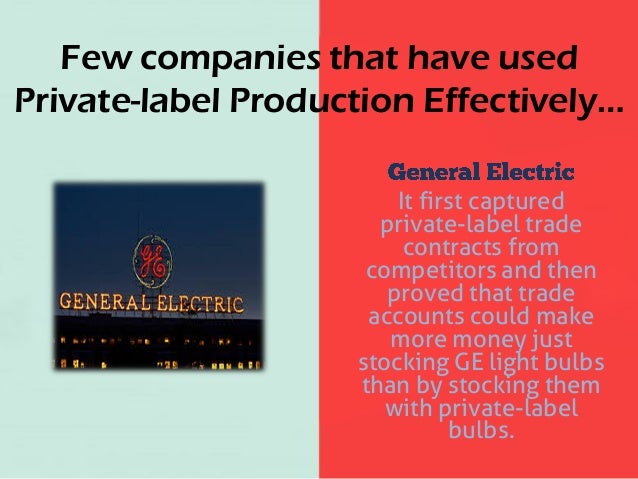
Brands vs private labels
Brands Versus Private Labels: Fighting to Win Second, manufacturers of brand-name products can temper the challenge posed by private-label goods. In fact, in large part, they can control it: More than 50 % of U.S. manufacturers of branded...

Brands vs private labels
Do Branded Companies Like Private Labels_ .docx - Course Hero The private label product will directly compete with my existing brand at a full extent. I believe this because with my help, the private label product will reach their goal of consumers seeing the difference or comparison of their branded cookie line and my own branded cookie line. Also they need to compete with my existing

34 Private Label Brands Are Owned And Managed By - Labels Design Ideas 2020
Turning private labels into powerhouse brands - McKinsey & Company The fact that private labels are frequently cheaper than national brands has helped, too, as financially strained consumers tighten their purse strings. These two advantages—high availability and low price—have made private-label products considerably more appealing to consumers during the COVID-19 pandemic. Video Insights to Impact

Why Do Leading Brand Manufacturers Supply Private Labels? findings - the model shows that, once the retailer has decided to introduce the private label, and depending on the quality positioning chosen by the retailer, both manufacturers find situations...

10 Secrets About Store Brands - Forbes If a big brand like Heinz or Hunts decided to sell private label, it will make soup or pasta sauce, not ketchup. Companies want to expand their business, not destroy the existing one.

Exim International Trade Consultants - Barcode Products Top Barcode Brands Motorola Scanner and ...
The Pros and Cons of Going 'Private Label' vs. Selling Branded Products ... The terms private label and branded products are quite popular in the e-commerce world. Although there are now more private labels on the market than ever before, creating a private label isn't right for every company. At some point, every business owner needs to decide what type of name they want their product (s) or service (s) to carry.
FREEDOMFIGHTERS FOR AMERICA - THIS ORGANIZATIONEXPOSING CRIME AND CORRUPTION NEVER FORGET THE ...
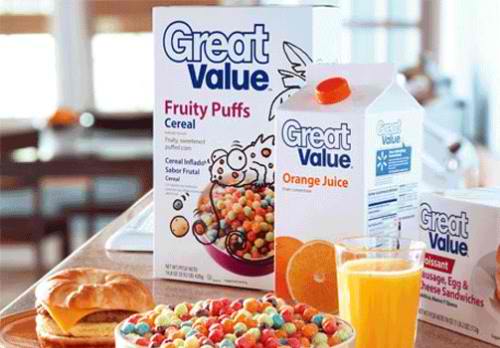
Private Label Brands: The Future Leaders Of Retail? | Branding Strategy Insider
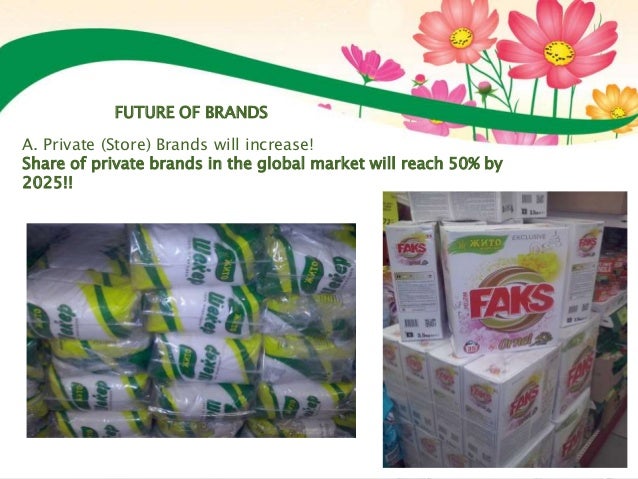
Private labels vs National brands


Post a Comment for "40 do branded companies like private labels"